Why Hplc Purity Screening Issues For Research Study Peptides 2026
- They can not be marketed or cost human intake, clinical therapy, or cosmetic usage under the Human Medicines Rules 2012.
- Authentic research study peptides feature a Certificate of Evaluation revealing HPLC pureness testing and mass spectrometry results from an independent laboratory.
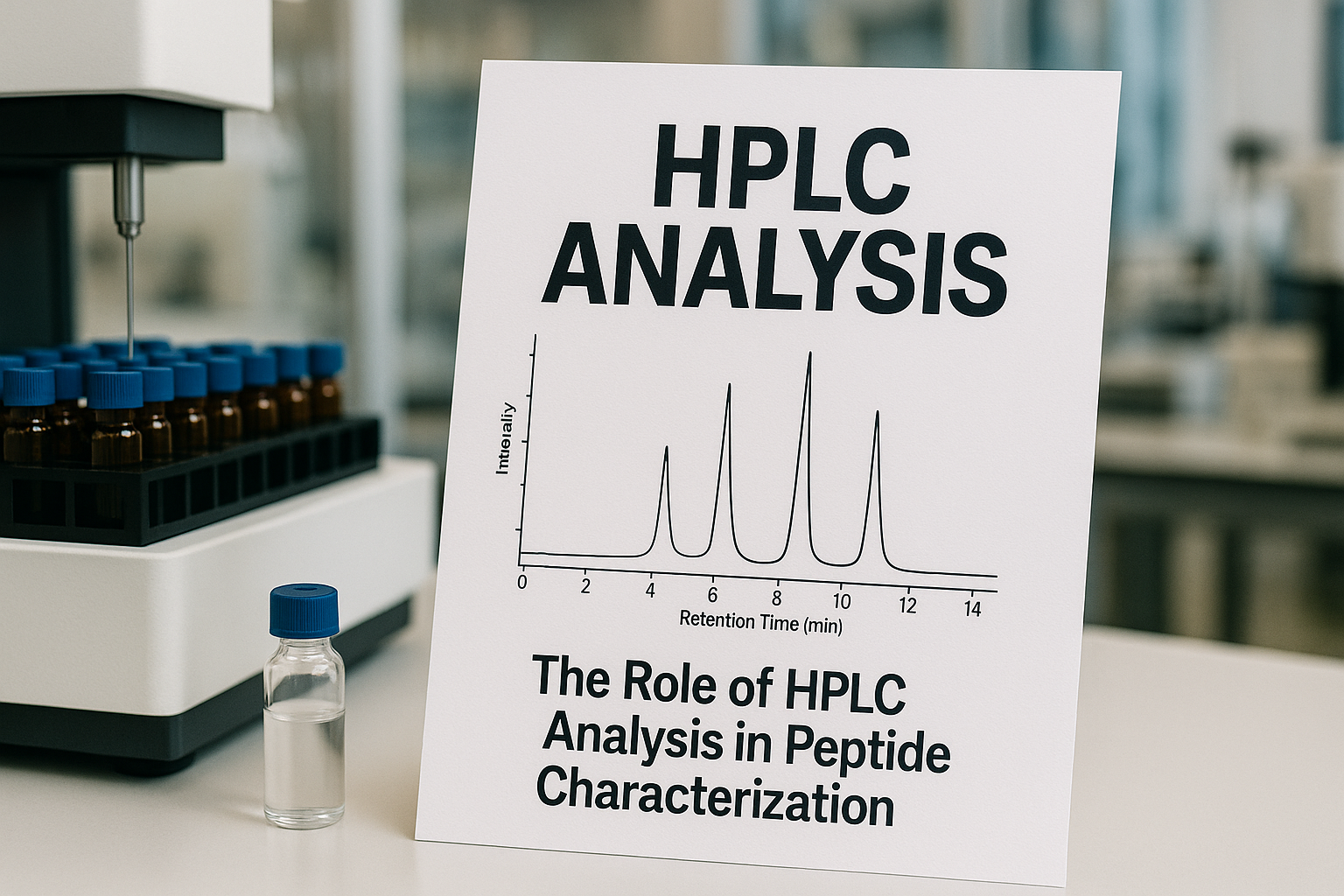
- The right peptide actions through the column in a foreseeable means, while undesirable materials-- such as leftover fragments, harmed peptides, or pollutants-- move in different ways.
- As a UK Peptides Business, quality confirmation is not simply a case; it's a system constructed for transparency, clinical accuracy, and depend on.
- HPLC can reveal the existence of added heights; LC-MS can aid designate most likely identities to those related varieties.
What Are The Major Elements Of Hplc Approach Recognition?
HPLC steps chromatographic purity by separating the target peptide from associated contaminations and calculating main-peak location percent. Mass spectrometry verifies molecular identification by checking whether the determined mass matches the anticipated peptide mass. For research-grade peptide qualification, HPLC and LC-MS/ESI-MS answer various inquiries and should be read together.Mass Spectrometry (ms)
ESI-MS offers superior efficiency for intricate mixes or when MS/MS is needed for sequence confirmation. Choosing the proper purity from the start helps reduce rework and preserves speculative consistency across Semax sets. With each other, they create the basis of a Certification of Analysis (COA) -- the certification that accompanies legitimate research-grade peptides. Without both, scientists can not be totally certain in the high quality or reproducibility of their job. In COA review, it generally includes HPLC purity testing, mass spectrometry identity confirmation, and batch-specific paperwork revealing the tested whole lot, approach, results, and day. HPLC is exceptional at responding to the inquiry "how pure is this example by chromatographic location percent? A sample might create a clean-looking chromatogram with one leading optimal and still be the wrong compound if identification was never ever verified. HPLC steps separation and family member peak location; mass spectrometry steps mass-to-charge behavior that can be utilized to verify molecular identity. Peptide testing is the collection of logical checks made use of to review a peptide sample before it is made use of in a study workflow.How much does peptide HPLC screening price?
The price of peptide evaluation solution differs considerably based upon which methods your regulatory plan calls for: HPLC-UV Evaluation: $& #x 24; 300 & #x 2013; & #x 24; 800 per sample (common purity evaluation) LC-MS (Liquid Chromatography-Mass Spectrometry): $& #x 24; 600 & #x 2013; & #x 24; 1,500 per sample (molecular weight verification).